



90-day hair growth challenge for Black women: Proven routines, scalp care, protective styles, and nutrition tips for real results.

Learn about ancient rice-water secrets! Discover DIY methods to naturally boost hair strength, softness, and growth at home with rice water today.

Updated: March 12, 2026
You can bring softness, manageability, and strength back to your strands with the proper steps, patience, and products that respect your hair's needs.
Chemical treatments and heavy heat styling are standard parts of many beauty routines, but when pushed too far, they destroy the structural integrity of your hair. Repairing this damage requires an immediate shift in your daily routine: stopping the chemical cycle, intensely hydrating, and protecting the vulnerable hair shaft.
Here is a direct guide to identifying chemical damage, the science behind why it happens, and exactly how to repair it.
Processing hair means using chemical formulas (like bleach, relaxers, or permanent dyes) or extreme heat to force a change in the hair's natural color or texture. When executed correctly and given time to recover, hair handles this well. When rushed or overdone, the damage compounds.
Here is what goes wrong during overprocessing:
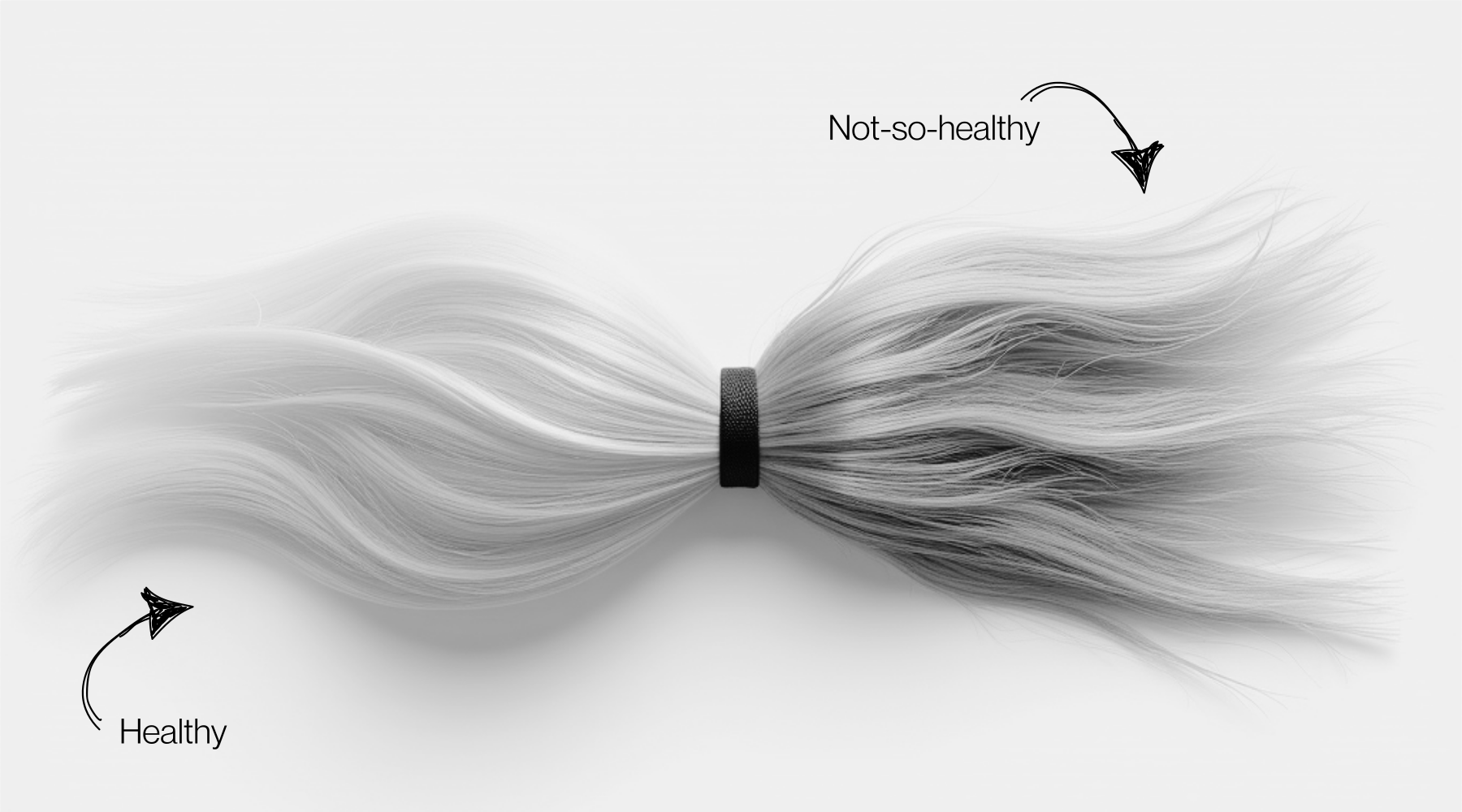
If you are unsure whether your hair is just dry or chemically damaged, look for these specific indicators.
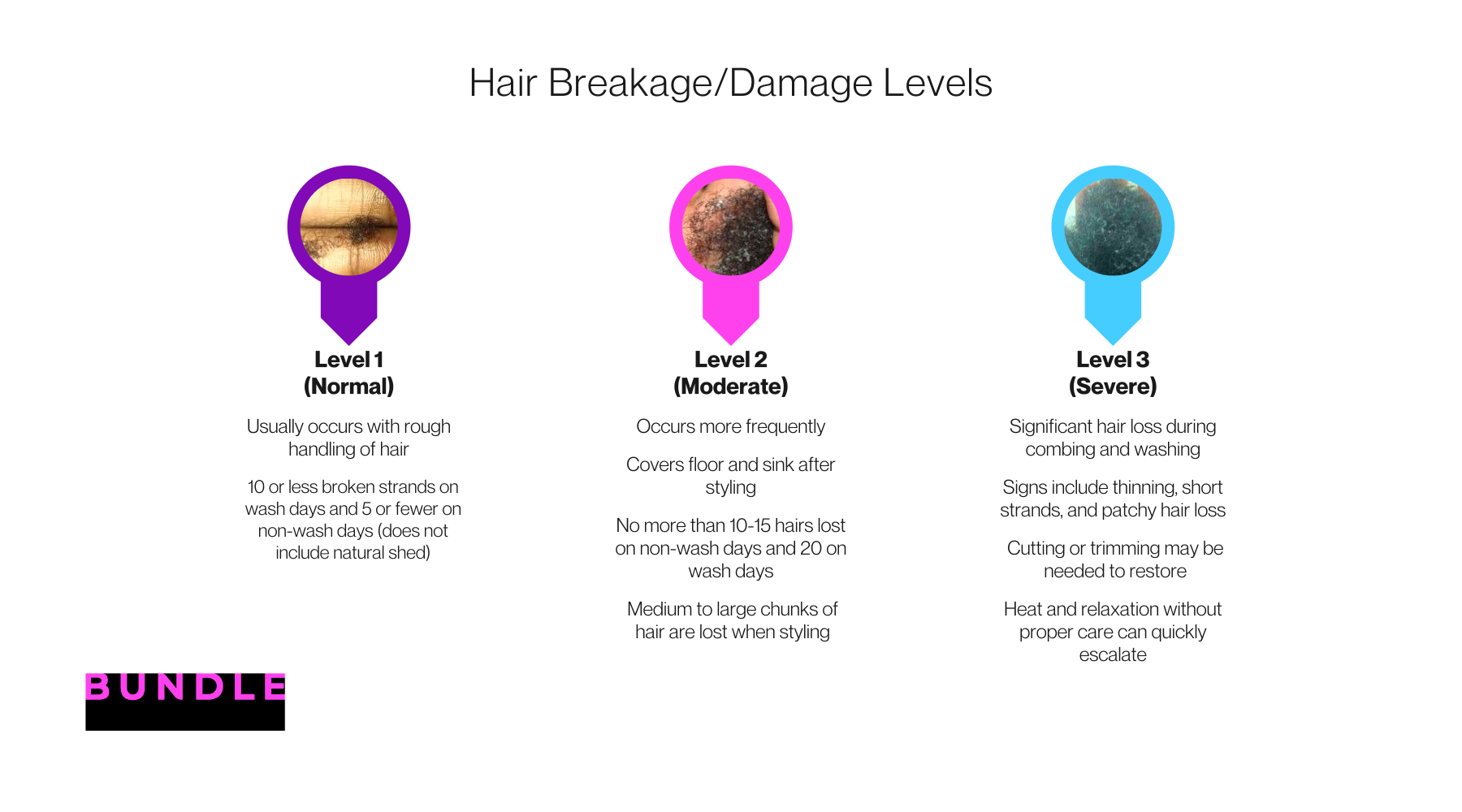
You cannot fully reverse severe chemical damage—hair is technically dead tissue. However, you can patch the cuticle, restore elasticity, and stop the breakage from spreading.
Stop stripping the remaining oils from your hair. Use shampoos specifically formulated for chemically treated hair, and avoid formulas containing drying alcohols or heavy detergents.
Rebuild the hair shaft using deep conditioning masks rich in ceramides or hydrolyzed proteins. Apply the treatment to clean, damp hair and cover it with a processing cap for 15–20 minutes. Adding gentle heat (like a hooded dryer) forces the cuticle open just enough to absorb the nutrients.
Hydration easily escapes porous hair. Apply a water-based leave-in conditioner daily, and immediately seal that moisture into the strand using lightweight oils like jojoba, argan, or grapeseed.
Water swells the hair shaft, which causes fragile hair to break. Limit washing to once or twice a week. When you do wash, finish with a cool water rinse to help lay the cuticle flat.
Air-dry your hair whenever possible. If you must use a blow dryer, apply a thermal protectant, use the lowest heat setting, and attach a diffuser to disperse the airflow.
Get a trim every 6 to 8 weeks. If you do not cut off the split ends, they will split further up the hair shaft, destroying healthy growth.
Stop relaxing, bleaching, and coloring. Space out future sessions by at least 8 to 12 weeks, and never perform two chemical processes (like bleaching and perming) back-to-back.
To fix the damage, you must understand the anatomy of the hair strand, which consists of three layers:
Chemicals like ammonia lift the "shingles" of the cuticle to strip or deposit color in the cortex. Overprocessing burns these shingles off entirely. Without the cuticle, the cortex loses its moisture and snaps. Recovery relies entirely on using products (like bond builders and acidic rinses) that temporarily patch those missing shingles.
Using home remedies can provide a temporary moisture boost, but they will not repair structural damage.
Ingredients like honey, avocado, raw egg, and olive oil can increase shine and softness. However, the molecules in these foods are often too large to penetrate the hair shaft effectively. For actual repair, pair these DIY masks with salon-grade, scientifically formulated protein treatments.
The fastest way to heal your hair is to stop touching it. Wigs and protective styles keep your natural hair tucked away, shielding it from friction, heat, and daily manipulation.
Safe protective options include:
Wearing a wig satisfies the urge to change your color or style without applying more chemicals to your natural hair. Just ensure you moisturize your scalp regularly and avoid tight installations that cause traction alopecia.
If your hair is breaking off in chunks, DIY treatments are not enough. Look for these signs that require a salon visit:
| Sign of Damage | What it Means |
|---|---|
| Hair will not hold a curl or style | Severe cuticle damage and total loss of elasticity. |
| Persistent, severe tangling and matting | Extreme porosity; the cuticles are snagging on each other. |
| Patches of hair loss | Scalp burns or localized chemical breakage. |
| Hair feels gummy and stretches like an elastic band | Critical loss of structural keratin protein. |
Once you begin the recovery process, build a routine to defend your progress:
Mercy Gono, BSN, RN, posted an incredible before-and-after hair restoration video. Check it out, and be sure to subscribe to her channel!
Embed:
Processing hair is a calculated chemical reaction. Overprocessing happens, but it doesn't mean you have to cut all your hair off immediately. By aggressively moisturizing, stopping the chemical cycle, and utilizing protective styles, you can nurse your hair back to a manageable state.
Give your natural hair the break it needs. Explore Bundle Factory’s curated collections of premium human hair wigs and bundles to maintain your flawless look while your real hair recovers in peace.
Processing hair refers to using chemical treatments or extreme heat to permanently alter the hair's natural structure or pigment. Common processes include bleaching, applying permanent dye, chemical relaxing, and perming.
When hair is overprocessed, the chemical treatments permanently destroy the outer cuticle layer. This exposes the inner cortex, resulting in hair that cannot retain moisture. The hair becomes highly porous, gummy when wet, brittle when dry, and highly prone to snapping off.
To prevent overprocessing, strictly adhere to the recommended processing times on chemical products, never overlap chemical treatments (like applying bleach over a fresh relaxer), and space out your salon visits by at least 8 to 12 weeks.
For standard deep conditioning, leave the processing cap on for 15 to 20 minutes, preferably under a hooded dryer or warm towel. Leaving moisture treatments on for hours or overnight can actually cause hygral fatigue, a condition where the hair shaft swells and weakens from too much water.


Learn how hormonal changes from pregnancy, stress, and menopause impact your hair's texture and thickness, and discover solutions for healthy growth.


